

Life has a way of throwing curveballs when we least expect them. A sudden car repair, an unexpected medical bill, a burst pipe at home — emergencies don't wait for payday. When unexpected expenses catch you off guard and your emergency fund falls short, knowing your options for emergency loans in Canada can save you from a serious financial hole.
At Bree, we know a financial emergency can feel overwhelming. Our only interest is your best interest — literally and figuratively.
Key Takeaways
- Speed matters most: Emergency loans prioritize quick approval and same-day funding over lengthy bank processes
- Avoid payday loan traps: As of January 2025, payday loan costs are capped at $14 per $100 borrowed — that still works out to roughly 365% APR. Interest-free cash advances like Bree help you skip the debt cycle entirely
- Bad credit doesn't disqualify you: Many lenders assess your income and banking activity rather than your credit score
- Compare all costs: Look beyond the interest rate to hidden fees, dishonoured payment charges, repayment terms, and total loan costs
- Build for the future: Use an emergency loan as short-term relief while working toward a stronger emergency fund

What Are Emergency Loans & When Do You Need Them?
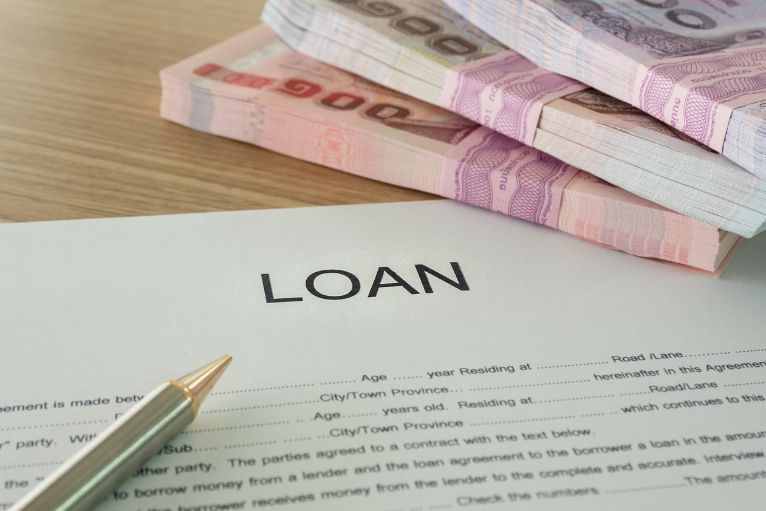
An emergency loan is a type of personal loan designed to give you quick access to funds during urgent financial situations. Unlike traditional loans that take weeks to process, emergency loans are built for speed — getting money to your bank account when time matters most.
Common scenarios where Canadians need to borrow money fast include:
- Unexpected medical bills not covered by provincial healthcare
- Urgent car repairs needed to get to work
- Home emergencies like burst pipes or a failed heating system
- Job loss requiring immediate financial assistance to cover basic bills
- Family emergencies requiring unplanned travel or additional expenses
The key difference between an emergency loan and other borrowing options is urgency. These loans focus on quick approval, fast fund transfers, and repayment terms that work around your paycheque — not the other way around.
What's Changed in 2026: New Lending Rules Canadians Need to Know
If you've searched for emergency loans in Canada recently, you may have noticed new numbers floating around. On January 1, 2025, two major federal changes took effect that affect every borrower. According to the Canada Gazette and confirmed by the Financial Consumer Agency of Canada:
Canada's criminal interest rate — the legal ceiling on what lenders can charge — dropped from 47.9% APR to 35% APR. At the same time, payday loan costs were federally capped at $14 per $100 borrowed, which still translates to approximately 365% APR annually.
On the surface, these are positive changes for borrowers. But there's an unintended consequence worth knowing: with lower allowable rates, many lenders have become more selective. Tighter approval criteria means fewer personal loan options for Canadians with low credit scores or non-traditional income.
This is exactly the gap that interest-free cash advance services like Bree are built to fill.
Types of Emergency Loans Available in Canada
Traditional Bank Emergency Loans
Many Canadian banks and financial institutions offer emergency personal loan options. However, the application process can be lengthy and approval isn't guaranteed — especially if you have bad credit. Banks typically require:
- Extensive paperwork and documentation
- A credit score of 650 or higher
- Proof of stable employment income
- A full review of your financial history
While banks offer competitive interest rates on personal loans, the time-sensitive nature of an emergency often makes traditional banking impractical when you need money fast. Most banks take several business days to process a loan online or in-branch — that doesn't help when rent is due tomorrow.
Payday Loan Alternatives
Many Canadians turn to payday loan options during a financial emergency, but these come with serious costs. Even under the new rules, a payday loan costs $14 per $100 borrowed — meaning a $500 loan comes with $70 in fees, due back by your next paycheque.
The debt cycle payday loans create can trap borrowers for months. Instead, consider alternatives that won't put your long-term financial stability at risk. Interest-free cash advance services like Bree help you avoid the predatory practices common with short term loans and payday lenders.
Online Emergency Loan Providers
The digital lending landscape has changed how Canadians borrow money. Online lenders can often complete the entire process — from application to e-transfer — within hours. These services typically:
- Offer streamlined online application processes
- Provide same-day funding options
- Require minimal paperwork
- Use alternative methods to assess creditworthiness beyond credit score requirements
For many Canadians, online emergency loan options represent the fastest path to getting funds when unexpected expenses hit.
Credit Union Emergency Loans
Credit unions across Canada, including those in Nova Scotia and other provinces, often provide more personalized service for emergency personal loan needs. They may offer more flexible repayment terms and work with members who have less-than-perfect credit.
The approval process is typically slower than online cash advance apps, but credit union loan payments tend to carry far lower interest rates than payday alternatives.
How Emergency Loans Work
Application and Approval
Most emergency loan applications can be completed online in minutes. Lenders typically ask for:
- Basic personal information
- Employment and income details
- Bank account information for fund deposit
- Permission to verify your financial history
The approval process varies by lender. Some provide decisions almost instantly, while others take several hours to complete their review.
Funding and Payment Schedule
Once approved, funds are typically sent via e-transfer to your bank account or chequing account. Many online lenders can transfer money within hours, making it possible to cover urgent unexpected expenses quickly.
Your payment schedule will depend on the type of emergency loan you choose:
- Short term loans often require repayment by your next paycheque
- Personal loan options may offer monthly loan payments spread over several months
- Cash advance services like Bree align repayment with your paycheque cycle — with up to 90 days to repay
Costs, Interest, and Hidden Fees
This is where many Canadians get caught off guard. Emergency loan interest rates vary, but the advertised rate is only part of the picture. Before you sign anything, understand the full cost of the loan — including what happens if your payments are late or a payment fails.
Watch out for:
- NSF fees from your bank — capped at $10 starting March 12, 2026 (down from the previous $45–$48), but still a charge you don't need if a loan payment bounces
- Dishonoured payment fees from payday lenders — up to $20 per failed payment (set by the Criminal Interest Rate Regulations)
- Processing or administrative fees not reflected in the headline interest rate
- Hidden fees buried in the fine print of short-term loans
- Rollover fees if you can't repay a payday loan on time and need to extend it
Bree charges none of these. With 0% APR and no mandatory fees of any kind, what you borrow is exactly what you repay — your loan payments are simple and predictable.
Smart Alternatives to Traditional Emergency Loans

Interest-Free Cash Advances
Services like Bree take a different approach to emergency cash. Instead of charging interest, these platforms provide cash advances that align with your pay cycle — helping you avoid the debt spiral common with traditional payday loan options. No hidden fees, no interest, no surprises.
With Bree, you can borrow up to $750 CAD with 0% interest, no credit check, and no hidden fees. Standard delivery to your bank account takes 1–3 business days at no charge. Need same-day funds? Express delivery gets money to you in under 5 minutes for a small fee.
Employer Payroll Advances
Many employers offer payroll advances, letting you access a portion of your upcoming paycheque early. This option typically doesn't affect your credit and comes with no interest charges — it's worth asking before turning to any external lender.
Family and Friends
Sometimes the best financial assistance comes from your support network. Family members may be able to help with short-term funds, often without interest or a strict payment schedule. If you do borrow from someone close, agree on a repayment timeline upfront to protect the relationship.
Debt Consolidation
If your financial emergency is the result of mounting debt across multiple accounts, debt consolidation may be a smarter longer-term solution. Combining multiple loan payments into one can reduce your overall interest costs and make monthly payments more manageable.
How to Qualify for Emergency Loans in Canada
To qualify for emergency loans, Canadian lenders typically require:
- Canadian residency — requirements vary by province, including Nova Scotia and others
- A steady source of income — employment, self-employment, or government benefits
- An active bank account or chequing account for fund transfers
- Age of majority — 18 or 19, depending on your province
Government benefit recipients are welcome at Bree. Bree accepts income from EI (Employment Insurance), CPP (Canada Pension Plan), ODSP, OW, CCB (Canada Child Benefit), and other government benefit programs. You don't need a traditional job to qualify — you just need consistent income deposits of at least $1,200/month.
Don't let bad credit stop you from exploring your options. Many modern lenders use your bank account activity and income deposits to assess your ability to borrow and repay — no credit report required, no hard credit check, no impact on your score.
How to Build Financial Stability After an Emergency
According to the 2025 FP Canada Financial Stress Index, 42% of Canadians say money is their top source of stress — far ahead of health (21%), relationships (17%), and work (17%). The top barrier to financial progress? The high cost of living, cited by 68% of respondents.
Emergency loans are a short-term tool, not a long-term strategy. Here's how to build stability so the next unexpected expense doesn't land as hard.
Build Your Emergency Fund
Start small. Even $25 per paycheque into a dedicated savings account creates a safety net over time. Your emergency fund should ideally cover 3–6 months of basic expenses — but any amount helps. The same FP Canada survey found 37% of Canadians said having an emergency fund would reduce their financial stress.
Explore Government Subsidies and Financial Assistance
Canada offers various financial assistance programs that can help during difficult circumstances. Federal programs like EI and the Canada Child Benefit, along with provincial social assistance, can provide important support while you stabilize. If you're unsure what you qualify for, 211.ca connects Canadians to local services at no cost.
Do Regular Financial Check-Ups
Review your financial picture regularly — your income, your fixed expenses, and your credit. Better financial health over time opens up better borrowing options when emergencies happen, including lower-interest personal loans and lines of credit with more manageable loan payments.
How Do You Build Financial Stability?
While emergency loans provide important short-term relief, building long-term financial stability helps reduce future reliance on borrowing. Consider:
Creating an Emergency Fund
Start small, but start building. Even $25 per paycheque can create a safety net over time. Your emergency fund should ideally cover 3-6 months of basic expenses.
Exploring Government Subsidies
Canada offers various financial assistance programs that might help during difficult circumstances. Research federal and provincial programs that could provide support.
Regular Financial Check-ups
Monitor your credit report regularly and work to improve your financial health. Better credit means better options when emergencies happen.
What to Avoid When Seeking Emergency Help
Not all emergency loan options in Canada are created equal. Be wary of lenders who:
- Don't clearly disclose all costs and fees upfront
- Promise "guaranteed approval" regardless of circumstances — no legitimate lender can guarantee this
- Pressure you to borrow a larger loan amount than you actually need
- Don't verify your ability to repay
- Operate without proper provincial licensing
- Advertise rates or loan payments that seem too good to be true
Making the Right Choice for Your Situation
When a financial emergency hits, it's natural to want to accept the first loan offer you find. But even a few hours of comparison shopping can save you real money.
Beyond the interest rate, consider:
- Repayment flexibility — can you extend your payment schedule if circumstances change?
- Hidden fees — NSF charges (now capped at $10 per incident), dishonoured payment fees, and processing costs add up fast
- Speed of e-transfer — same-day online delivery vs. 3–5 business day bank processing
- Total loan cost — a low interest rate means nothing if fees push up the real cost of your loan
- Credit impact — some lenders run hard credit checks; Bree does not
- Customer service — can you reach someone if your situation changes before your next paycheque?
How Bree Can Help with Your Financial Emergency
At Bree, we believe financial emergencies shouldn't push you into cycles of debt. Our interest-free cash advance service helps Canadians borrow the funds they need without the crushing rates common with payday loan alternatives.
Here's how we're different:
- Up to $750 CAD — among the highest cash advance limits in Canada
- 0% APR — you pay back exactly what you borrow, nothing more
- No credit check — we assess your income and bank account activity, not your credit score
- Same-day express delivery — direct deposit to your bank account in under 5 minutes for a small fee
- No hidden fees, no late fees, no NSF charges
- Up to 90 days to repay — a flexible payment schedule that fits your paycheque cycle
- Government benefit income accepted — EI, CPP, ODSP, OW, CCB, and more
Visit trybree.com to see how Bree can help you handle unexpected expenses without compromising your financial future.
Frequently Asked Questions
How quickly can I get emergency loan funds in Canada?
With Bree's express delivery, funds arrive by direct deposit to your bank account in under 5 minutes. Standard delivery takes 1–3 business days at no charge. Most online lenders complete the process and transfer funds within 24 hours, while banks typically take 3–5 business days.
Can I get an emergency loan with no credit check?
Yes. Bree does not run a credit check and does not report to credit bureaus. Bree approves emergency loans based on your income and bank account activity instead — so your credit score isn't a barrier.
What's the maximum loan amount for emergency loans in Canada?
It depends on the type of lender. Cash advance apps like Bree offer up to $750 CAD. Payday loans typically go up to $1,500. Online personal loan lenders can offer anywhere from $500 to $35,000 depending on your income and creditworthiness.
Do I need collateral for an emergency personal loan?
Most emergency loans in Canada are unsecured — you don't need to put up your home or car. Bree's cash advance requires no collateral at all, just an active bank account and verifiable monthly income of at least $1,200.
What income types qualify for an emergency loan?
Beyond employment, many lenders — including Bree — accept government benefits as qualifying income. This covers EI, CPP, OAS, ODSP, OW, and CCB. You just need to show consistent deposits through online bank account verification.
Will applying for an emergency loan hurt my credit?
It depends on the lender. Hard credit checks can temporarily lower your score. Bree performs no credit check, so applying with Bree has zero impact on your credit.
Taking Control of Your Financial Wellness
Financial emergencies are stressful enough without the added worry of predatory lenders or unmanageable debt. By understanding your options for emergency loans in Canada and choosing responsible lenders, you can deal with immediate circumstances while protecting your long-term financial stability.
United Way Centraide Canada reported a 50% increase in unmet temporary financial assistance needs in the first eight months of 2025 compared to the same period in 2024. More Canadians are facing emergencies and finding fewer options through traditional channels. That's exactly why accessible, interest-free tools matter more than ever.
The goal isn't just to solve today's problem — it's to borrow in a way that supports your overall financial wellness. Whether you need emergency cash for car repairs, medical bills, or other urgent unexpected expenses, make choices that serve your long-term goals.
Ready to explore interest-free alternatives to traditional emergency loans? Apply with Bree today and discover how we can help you handle financial challenges with confidence. Because when it comes to your financial health, our only interest is your best interest.
References:
- https://gazette.gc.ca/rp-pr/p2/2025/2025-01-01/html/si-tr4-eng.html
- https://www.canada.ca/en/financial-consumer-agency/services/loans/payday-loans.html
- https://www.canada.ca/en/financial-consumer-agency/programs/research/understanding-payday-loan.html
- https://www.cbc.ca/news/canada/calgary/predatory-lending-interest-limit-1.7426411
- https://gazette.gc.ca/rp-pr/p2/2025/2025-03-26/html/sor-dors96-eng.html
- https://www.newswire.ca/news-releases/fp-canada-tm-2025-financial-stress-index-reveals-top-financial-stressors-barriers-and-generational-differences-851623720.html
- https://www.unitedway.ca/financial-stress-leaving-people-vulnerable-beyond-their-wallets-united-way-centraide-canada-calls-for-stronger-community-supports/

Join our newsletter to get the latest updates
.png)
.png)
