Gift cards remain one of the most popular presents in Canada, but confusion about expiry dates, fees, and regulations leaves many consumers wondering if their gift cards purchased years ago still hold value. Understanding gift card rules across Canada protects you from losing money and ensures you get the full value you paid for.
TL;DR:
- Most gift cards in Canada cannot expire under provincial consumer protection laws
- Shopping mall gift cards are subject to special rules, including activation fees ($1.50) and dormancy fees ($2.50/month after 15 months)
- Gift cards for a specific service (spa, massage) can have an expiry date
- Prepaid purchase cards from federally-regulated financial institutions may charge maintenance fees and inactivity fees
- Each province has different gift card regulations under their Consumer Protection Act

What Gift Cards Can Expire in Canada?
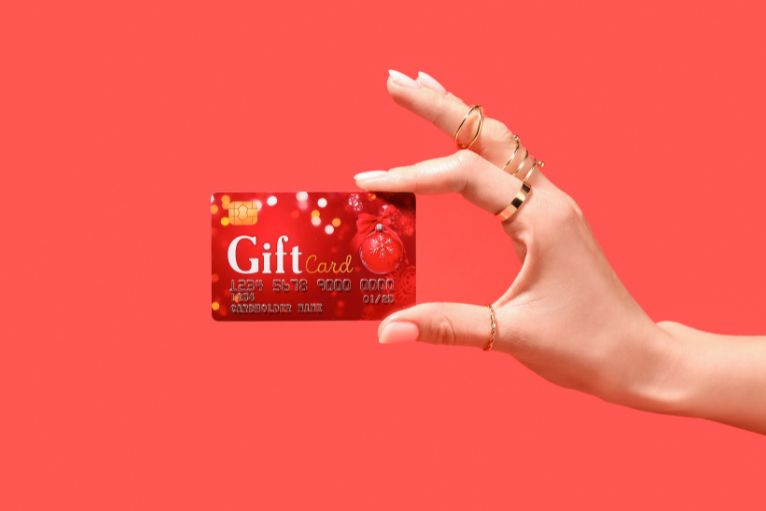
While most businesses in Canada cannot set expiry dates on gift cards, certain types of prepaid cards may expire under provincial regulations.
Gift Cards That Cannot Expire
General-purpose gift certificates purchased at retail stores typically retain their full value indefinitely. If you buy gift cards for clothing stores, restaurants, bookshops, or other businesses, these cards purchased from most merchants don't lose value over time. Provincial consumer protection regulations prohibit expiry dates on standard retail gift cards to protect consumers who may not use cards immediately.
Gift Cards Allowed to Have Expiry Dates
Promotional purposes: Companies may issue gift cards as part of a loyalty program or promotion. These promotional gift cards often have expiry dates because businesses distribute them to raise money for charitable purposes or encourage specific purchasing behavior.
Specific service: A gift card redeemable for one specific service—such as a haircut, massage, or spa treatment—can include an expiry date. The logic behind this exception recognizes that service-based businesses face different challenges than product retailers.
Shopping mall cards: Mall gift cards follow unique regulations. In Ontario, shopping mall gift cards keep their value for 15 months before malls can charge dormancy fees (also called inactivity fees). These fees cannot exceed $2.50 per month.
Club cards and loyalty cards: Cards used to collect rewards through a loyalty program aren't subject to standard gift card regulation. Businesses can set their own terms for these promotional cards.
If you're short on cash to buy gift cards or cover unexpected expenses while waiting to use gift cards you've received, Bree offers interest-free cash advances up to $750 with no credit check—a smarter alternative to expensive payday loans. Find out the fastest E-Transfer Payday Loans in Canda.
How Do Gift Card Fees Work?
Permitted Fees
Activation fees: Shopping malls can charge up to $1.50 when cards are purchased.
Dormancy fees: Shopping mall gift cards in Ontario incur a $2.50 monthly maintenance fee after 15 months. Request an extension by giving written notice during the 15th month to delay fees for 3 months.
Replacement fees: Businesses may charge a fee for lost or stolen cards.
Prohibited Fees
Most businesses cannot charge extra fees or service fees that reduce your gift card's dollar value. Consumer protection bans regular fees on standard retail cards. Prepaid credit card fees differ—financial institutions may include various charges.
Need cash without the fees? Get approved for Bree's 0% interest advance in minutes with just your bank account—no credit check, no hidden fees, no prepaid card charges.
Provincial Gift Card Regulations Across Canada

Gift card rules vary by province through the Consumer Protection Acts:
Ontario: Shopping mall gift cards may charge a $1.50 activation fee and a $2.50 monthly dormancy fee after 15 months. Request a 3-month extension during the 15th month.
British Columbia: No expiry dates except for specific service cards, promotional cards, or cards from financial institutions. Mall cards can charge fees after 15 months of inactivity.
Alberta: Gift cards bought in Alberta cannot expire, and businesses cannot charge fees. Alberta's Gift Card Regulation under the Fair Trading Act protects consumers.
Quebec: Strictest rules—no expiry dates permitted on any gift cards purchased in Quebec.
Manitoba, Nova Scotia, New Brunswick, Newfoundland: Expiry dates prohibited except for specific service cards and promotional purposes. Replacement fees may apply to lost or stolen cards.
What About Prepaid Credit Cards?
Prepaid credit cards from federally-regulated financial institutions work differently from store gift cards. These prepaid cards can charge activation fees, monthly maintenance fees, and inactivity fees. The physical card can expire, but institutions cannot set expiry dates on loaded funds—you can transfer funds to a new card for a fee.
Banks must disclose all charges in an information box on packaging. These cards display payment network logos (Visa, Mastercard), distinguishing them from regular gift certificates. Always compare card fees before purchase.
Better alternative: Instead of paying activation fees and monthly charges on prepaid cards, Bree offers cash advances with 0% interest with no activation fees, no inactivity fees, and no hidden charges—just an optional tip.
Also read: $200 Loans With Fast Approval
FAQs
Can I redeem an expired gift card?
If your gift card shows an expiry date but provincial regulations prohibit such dates, the card remains valid. Contact the business, reference your province's Consumer Protection Act, and request that they honor the full value. If refused, file a complaint with your provincial consumer protection office.
For shopping mall cards, dormancy fees reduce the balance after 15 months. Calculate the expected balance and contact the mall if incorrect.
Do gift cards run out of date?
Most gift cards don't run out of date. Standard retail cards from most businesses never lose value—use them years later for their full dollar amount. Shopping mall gift cards don't technically expire, but dormancy fees start after 15 months in Ontario. Service cards and promotional cards given away for charitable purposes may include expiry dates, so check the terms when received.
How many years are gift cards valid for?
For most gift cards purchased in Canada, there's no time limit. Provincial consumer protection regulations ensure cards remain valid indefinitely at their full value.
The exception is shopping mall gift cards in provinces like Ontario, where dormancy fees begin reducing the balance after 15-18 months. Even then, you can still use remaining funds—the card doesn't become completely worthless unless fees deplete the entire balance.
If you find old gift cards in a drawer, they're almost certainly still good. Verify the gift card balance by visiting the store, calling the number on the card, or checking online.
Conclusion
Whether gift cards expire in Canada depends on the card type and the province. Most retail gift cards cannot expire under consumer protection regulations. Shopping mall gift cards, service-specific cards, promotional cards, and prepaid cards from financial institutions are subject to different regulations that permit expiry dates or fees.
Always read the terms and conditions when you buy gift cards. Check for restrictions, permitted fees, or special conditions. Keep receipts to prove purchase dates if disputes arise about dormancy fees. If businesses charge illegal fees or enforce invalid expiry dates, contact your provincial consumer protection office to protect your rights and ensure cards purchased retain their value. You can always consider quick holiday loans.
When you need quick cash to buy gift cards or cover expenses, skip the prepaid card fees and activation charges. Get started with Bree for interest-free advances up to $750 with transparent pricing and no credit check.
Citations:
[1] https://www.ontario.ca/page/buying-or-using-gift-cards
[2] https://www.canada.ca/en/financial-consumer-agency/services/payment/gift-cards.html
[3] https://www.consumerprotectionbc.ca/consumer-help/consumer-information-gift-cards/

Join our newsletter to get the latest updates
.png)